
Are patients getting enough protein?
See protein intake and goals over time, based on meals patients log.
GLP-1 & WEIGHT MANAGEMENT
Give patients personalized nutrition support between visits and give care teams visibility into what patients are actually eating.


 Qualified solution on Mayo Clinic Platform
When appetite and eating patterns change, care teams need a clearer view of nutrition and behavior between visits. January turns everyday patient inputs into longitudinal context without presenting them as a diagnosis or replacing clinical judgment.
See protein intake and goals over time, based on meals patients log.
Compare longitudinal calorie, fiber, protein, and other nutrient patterns.
Review meaningful changes and gaps so the care team can decide where to focus.
Deliver relevant guidance informed by goals, available history, and recent behavior.
Give patients an experience designed for daily use while giving clinicians a longitudinal view of what changed.
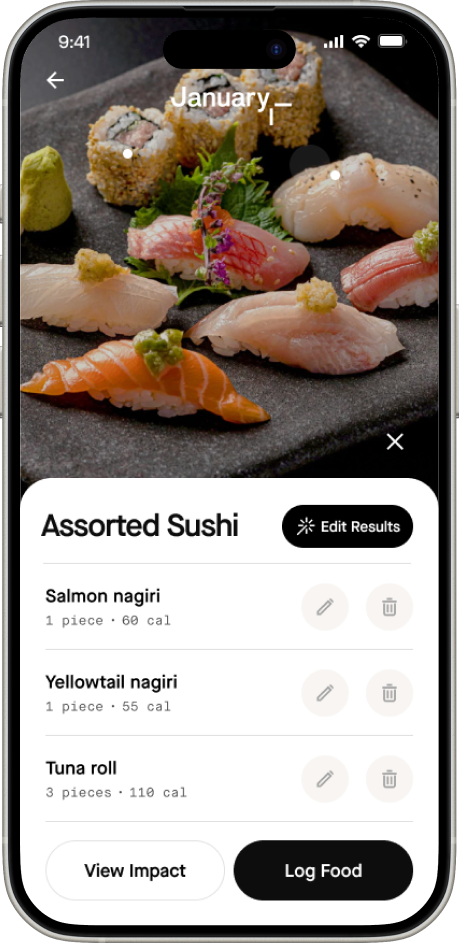

Photo and natural-language meal logging, protein, fiber and calorie goals, plus personalized recommendations and coaching.
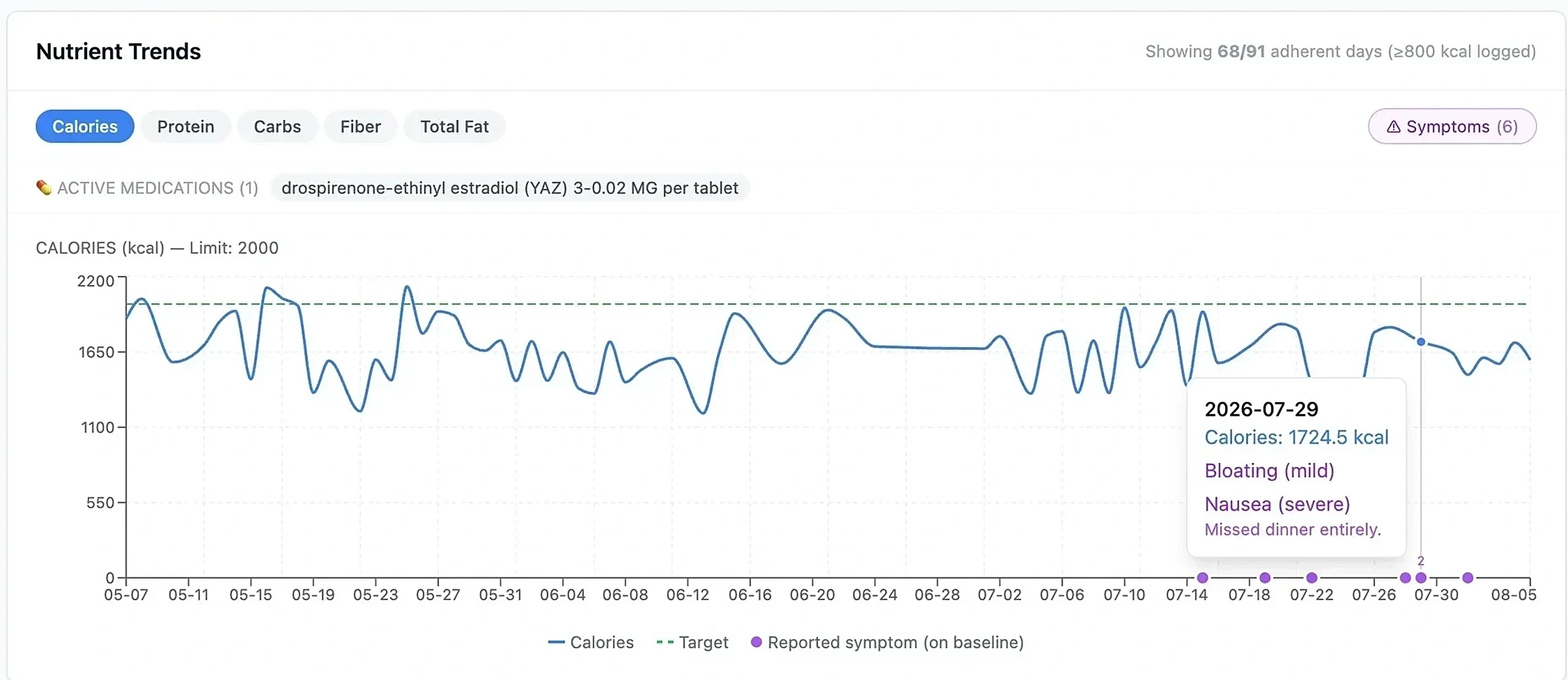
Nutrition trends, medication and weight context where available, meaningful changes since the last visit, and context for the care team’s next action.
Use the APIs in your existing app, deploy a white-label January experience, or connect intelligence directly to the clinical workflow.
Turn a photo, barcode, food search, or sentence into structured nutrition data. January gives patients easier logging and care teams a more useful record of real-world eating patterns.
Follow longitudinal calorie, protein, fiber, and other nutrient patterns. Add medication and weight context where that information is available, so a single meal never has to stand in for the whole story.
Use the Health Context Engine to inform relevant guidance with a patient’s goals and available history, medications, labs, and recent behavior. Clinical decisions remain with the care team.
Deploy January through APIs, a white-label patient experience, the clinician dashboard, or an Epic-connected workflow. Start with one surface or connect the full experience.
These are general clinical considerations from current guidelines and peer-reviewed literature. They are not January-specific GLP-1 outcomes and do not replace individualized clinical care.
GLP-1 therapies reduce appetite and food intake. A 2025 joint advisory from leading nutrition and obesity organizations emphasizes adequate protein, nutrient quality, and individualized nutrition support during treatment.
Joint clinical advisory, American Journal of Clinical Nutrition, 2025Weight loss with GLP-1-based therapies can include lean mass as well as fat mass. Adequate protein, resistance exercise, and individualized monitoring are important considerations, especially for older or higher-risk patients.
Diabetes, Obesity and Metabolism, 2024Current guidance recommends that medication remain part of a broader care plan that includes dietary, physical activity, and behavioral support, rather than operating as a stand-alone intervention.
NICE guideline NG246, amended 2025January’s evidence and product proof apply to its broader nutrition and metabolic intelligence platform. January has not established GLP-1-specific clinical outcomes.
See how January can fit your patient experience, care-team workflow, and existing technology.